29 May 2026
Where do you get your creative inspiration from?
Staying creatively energised as a freelancer takes more than consuming more content. Sometimes it means consuming less.
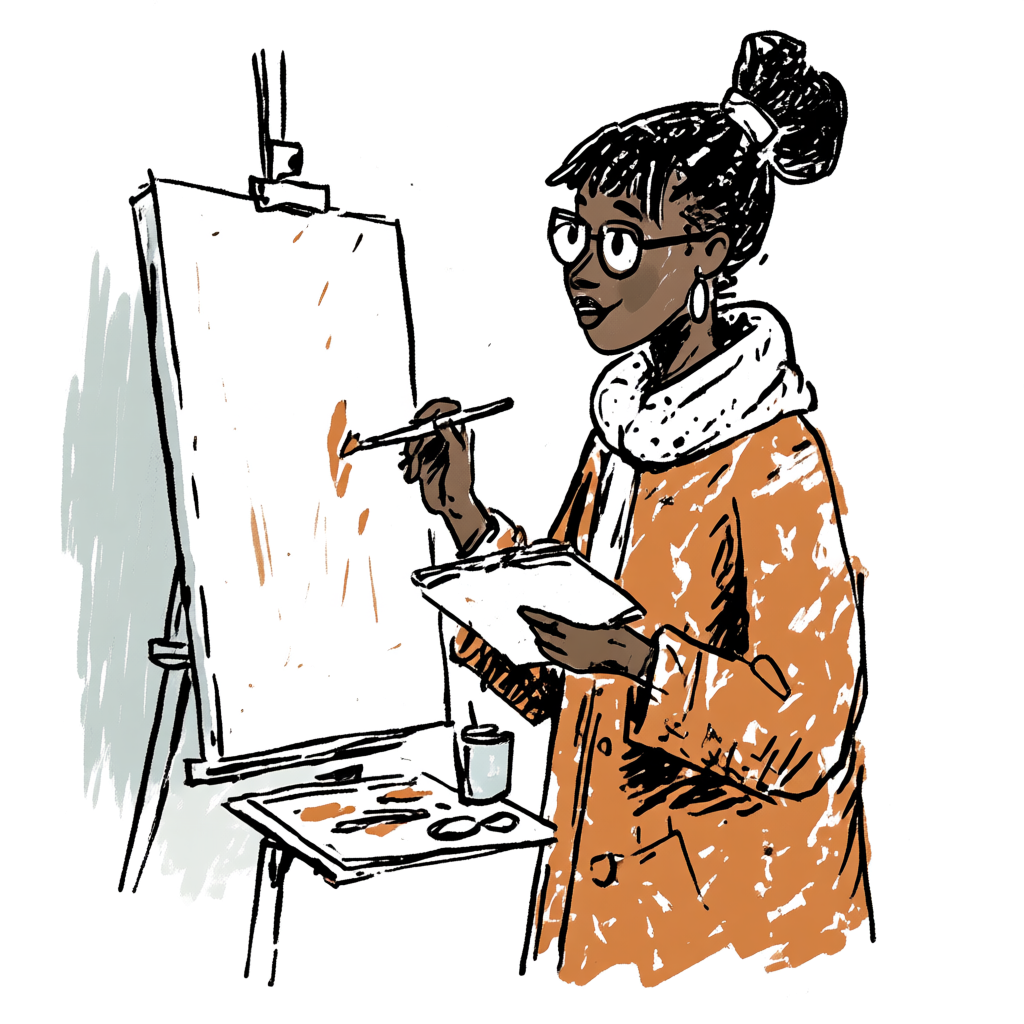
Staying creatively energised as a freelancer takes more than consuming more content. Sometimes it means consuming less.
Curation beats consumption. Make space, go somewhere different, talk to someone outside your bubble, and dare to begin even when it feels uncomfortable.
This week's Assembly asked
"Where do you get your creative inspiration from?"
We've gathered the key points and notes from the session, so you can refer back for future reference, or if you weren't able to join, learn from your fellow freelancers.
Several people in the room weren't struggling to find inspiration so much as struggling to do anything with it. Bookmarks that never get revisited. Screenshots of transcripts. Newsletters piling up unread. The collecting had become its own activity, completely detached from anything useful. If that sounds familiar, you're not alone.
The people who felt most creatively energised weren't consuming more, they were consuming less but more deliberately. Unfollowing, unsubscribing, filtering out the noise. Finding a handful of sources and people they actually trusted, and ignoring the rest. The goal isn't to keep up with everything. It's to find the things that reliably spark something, and protect access to those.
The most interesting creative connections tend to come from the furthest away. Doing a postgrad in a completely different field. Talking to people who have nothing to do with your work. Following adjacent industries on LinkedIn rather than direct peers. When you're reading from people who do the same thing as you, you mostly confirm what you already think. The stimulus that shifts something tends to come from elsewhere.
Talking to people, in this room and outside it, was one of the most consistently cited sources of new ideas. Not consuming content about creativity, just talking. Whether that's a formal networking event, a random coffee, or a chat with someone at a school gate. Several people found that their brain makes connections in conversation that it simply doesn't make sitting at a desk.
Changing where you work makes a difference. A library, a gallery, a theatre foyer, a V&A cafe, a walk somewhere you've never been. Physical environment influences how your brain operates in ways that are easy to underestimate when you're staring at the same four walls. A few people in the room had started deliberately choosing creative spaces for creative tasks, and found it worked.
Going for walks without headphones. Not absorbing content constantly. Leaving the phone at home. Several people noticed that their best ideas didn't arrive when they were consuming more, they arrived when they'd stopped. The brain needs some unscheduled time to do its own connecting. Filling every gap with input doesn't leave much room for that.
Random walks, picking places on a map and just going, music, drawing without any intent, paying attention to your surroundings through senses other than sight. These aren't passive activities, they're practices. The point is to stop directing your own thinking and let something else come through. Psychogeography, the idea of experiencing a familiar place through completely different senses and routes, came up as a useful frame for this.
The fear of the outcome gets in the way of the doing. Several people recognised the pattern of overthinking at the start of a project, of not beginning because the idea hadn't clicked yet, of spending too long on something because it didn't feel finished. Detaching from the result, separating the act of creating from the judgement of what gets created, came up as the most useful shift. The benefit is in the doing, not in doing it perfectly.
Starting before you feel ready. Sending the proposal even though you spent too long on it. Saying yes to the training session even though it's not your usual thing. Volunteering for the event photography even though you're not sure you're a photographer. The wins people shared at the end of the session were mostly versions of this: doing something uncomfortable anyway, and finding something good on the other side of it.
The wait before an idea clicks. The stress of not knowing if it'll come. The impending deadline that you know, rationally, you'll meet, but that still doesn't feel any better in the moment. For some people, that pressure is the mechanism. It's not pleasant, and it doesn't need to be. The discomfort isn't a sign something's wrong with the process. It's often just part of how the process works.
Thanks for coming along!
If you'd like to join an upcoming assembly, please use the button below to register for future events.
Register