I've been (accidentally) freelancing for more than 20 years, working with charities, social enterprises, universities, councils and national infrastructure bodies as a consultant, facilitator and researcher.
I'll try and condense the headlines from it as to what 20 years of experience have changed in how I think and work as a freelancer:
You can probably charge more than you think you can
I was laughed out of the room on my first ever pitch as a freelancer because my price then meant I wasn't seen as being a credible professional (I was too cheap). And remember that whatever you charge will also influence how clients think about rates that other freelancers should be paid.
Try to say 'yes' more than 'no'
It makes for a more varied life; allows the universe to create more serendipitous moments that can benefit us all; and can also increase your financial resilience if one part of your offer and client type starts to 'dry up'.
Being open to what presents and trying to respond to unexpected plot twists ... means I've had more unexpected adventures than I could have ever possibly imagined
Niching is a nice idea, but doesn't work for me
Turns out I'm physically neurodivergent (part of my brain is missing), which means I see connections between seemingly disparate specialisms and sectors. That means sticking to a more defined offer would be relatively tedious for me, but also make me more at risk of technology / legislation / other suddenly disrupting that market (see reasons above as to why saying 'yes' is better than 'no').
Celebrate yourself more
Goodness knows there are enough tough days as a freelancer, so try and take time to find excuses to eat more cake and remind yourself that you really are doing a great job (because very few other people will, but you deserve it!)
Be more human
It's ok to be vulnerable (revealing my unpaid carer status to would-be clients on a first-date discovery call may seem bonkers to some, but it's never lost me any work and helped create better working relationships with them); it's ok to admit mistakes; and it's ok not to have properly fixed your hair and makeup before joining that call with project managers.
What's not ok is to pretend that it's nothing to do with you, or show indifference about it. Turns out that everyone is trying to get through this life together with the least friction, so try and be helpful (even/especially if that risks scope drift on the project…).
Live your own values, even if it makes no sense to others
Only you have to sleep with your conscience at night, and answer to your God. That's why so much of my business model as a freelancer might seem topsy turvy and bonkers to others (like trying to pay more tax, publicly embarrassing sector bodies, and putting pictures of myself with my office toilet on the cover of a book).
Do things that you know risk upsetting people
I accidentally self-published a book about imposter syndrome that argues how most of what we think we know and understand about it is (probably) wrong. It got me uninvited from speaking at events, attracted the ire of some, but also became an international best-seller, won an award, and seen lots of people thank me for the positive impact it's made for them. Although I'm still waiting for Netflix to call about optioning it for the movie rights.
It's ok to be vulnerable; it's ok to admit mistakes; and it's ok not to have properly fixed your hair and makeup before joining that call with project managers.
What I wish my younger self had known sooner
Reflecting on those first 2 decades, there's a few things that I wish my younger self had known (and done) sooner:
- Networking isn't just about building contacts, leads and referrals - it's an important part of checking in with other human beings in relation to the emotional support and encouragement we all need.
- Get out of your usual circles - lots of interesting things are happening just around that other corner, and they might open up new options and opportunities you would have otherwise never considered.
- If you see something in the world that doesn't seem right in any way, call it out and do what you can about it. You'll probably be surprised about how many other people subsequently emerge to validate you, and this in turn will help nudge the wheel to turn a bit more on it, which means everything will ultimately get better for all of us.
- Building your reputation will probably take longer than you think it will - so start sooner and work on it more by trying to be more helpful for more people.
- Spend more time in libraries and pubs: not just as hotdesking venues but also meeting places with clients and others.
- Technology can fail at some point (although it's more reliable than it was 20 years ago): have a back-up system somewhere.
- People are kinder, more understanding and generous, than you think they'll be. All you have to do is what your parents tried to teach you when you were growing up, and use polite manners.
- You can go so much further than you think you can, all you have to do is ask others for what seems to be the impossible ask. (That's how part of me has ended up on the planet Mars - I politely asked NASA when they announced their intention to create the Perseverance rover mission to the red planet).
Looking back (and forwards?) on it all
When asked how I've made it this far, I've occasionally referred to being a 'glass half empty' kind of person: not because I'm pessimistic, but because it means I'm always looking for the next tap - trying to avoid becoming complacent, and anticipating what contingencies may help avoid what my 'professional paranoia chip' has predicted.
I never meant to choose this lifestyle (and actively spent the first 20 years of it trying to get back into regular employment); but being open to what presents and trying to respond to unexpected plot twists in ways that I wouldn't be embarrassed about if someone told my parents, means I've have more unexpected adventures than I could have ever possibly imaged (including probably being barred from the House of Lords because of an impromptu dance routine at an awards ceremony I was invited to there…).
Ultimately, we're all (freelancing) stories in the end - so try and make yours one that people want to tell.
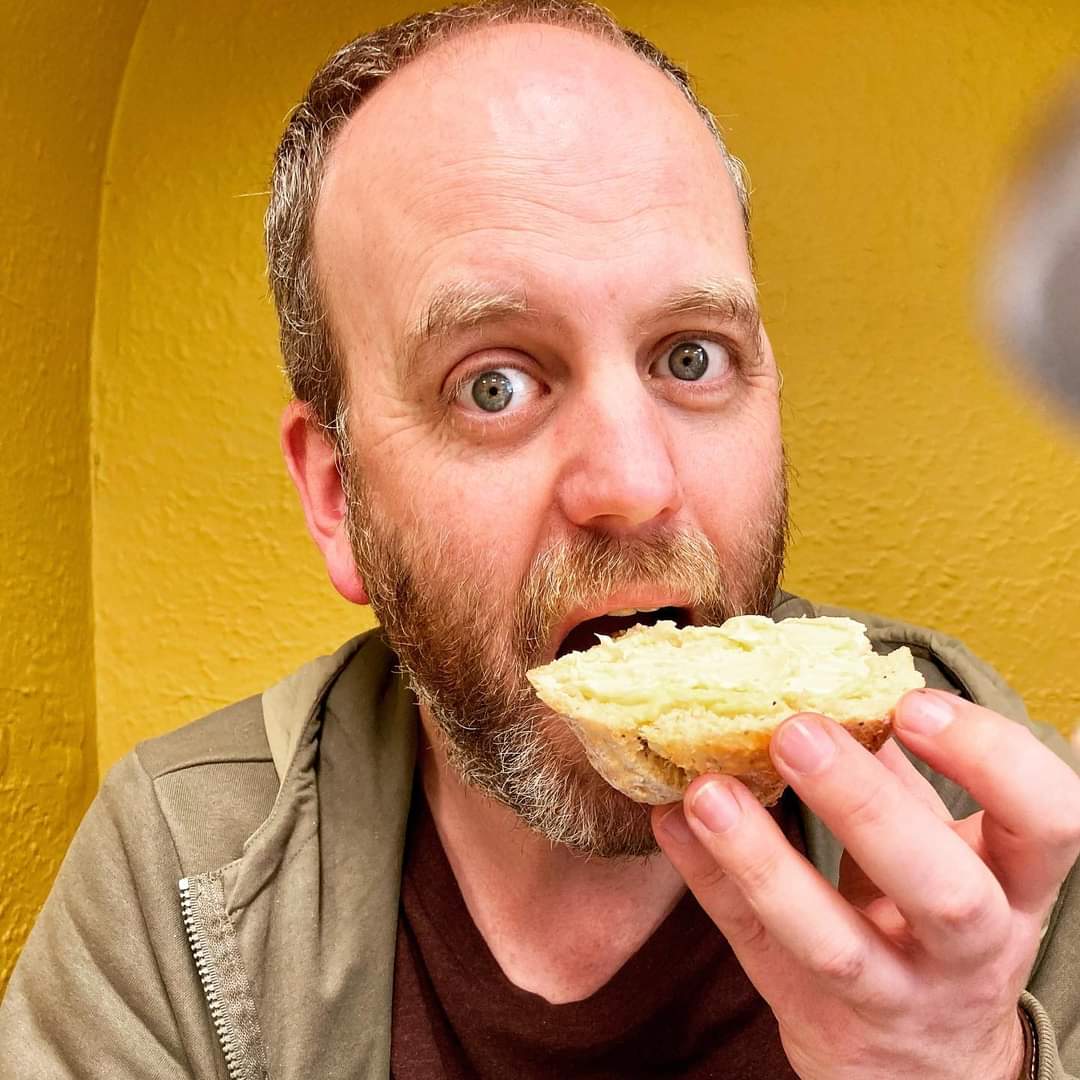
Adrian Ashton is a freelance consultant, trainer and researcher who has worked for more than 20 years with charities, social enterprises, councils, universities and sector infrastructure organisations across the UK.